


Why your DEI strategy isn’t working—and what high-performance organizations are doing differently
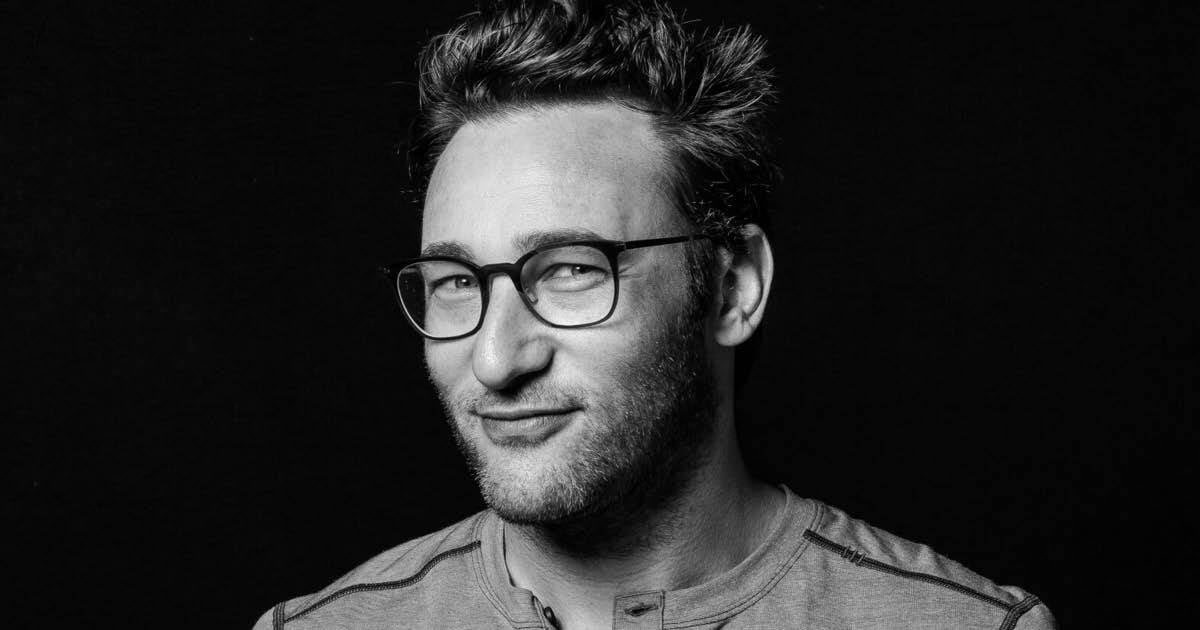
Simon Sinek is rarely wrong about the human side of leadership. His latest reflection in CEO Magazine calls friendship the “ultimate biohack”—a natural medicine for anxiety, depression, stress, and loneliness. He warns that executives often confuse “deal friends” with “real friends.” Lose the title, lose the party invitations. Friendship, he argues, is what sustains us as people and makes us better leaders.
It’s an appealing argument. And on the human level, it’s absolutely true. Friendship stabilizes us. Friendship protects us. Friendship keeps us grounded when everything else tilts.
But here’s the uncomfortable truth: friendship won’t save your business.
The Personal Medicine Trap
Think of a senior HR executive—let’s call her Dana. Dana was deeply respected in her peer group, well-liked in the C-suite, and surrounded by a supportive network of colleagues who felt like friends. She listened well. She held space. She was everyone’s sounding board.
And then came the quarterly numbers. Engagement was up, but execution was down. Standards were slipping. Performance drift was everywhere. The CEO had no choice but to act.
Dana was replaced within a year.
Her friendships were intact. Her reputation for empathy remained. But the system she presided over was broken—and no network of supportive friends could offset that fact.
This is what I call the “personal medicine trap.” Leaders often assume that because they are personally resilient—because they feel supported—they can extend that resilience to the organization. But resilience is not contagious. An organization doesn’t automatically become stronger just because its leader has strong friendships.
Where Friendship and Leadership Overlap
Sinek is right that friendship skills map neatly onto leadership skills. Listening without judgment. Navigating conflict. Holding difficult conversations. Each of these is indispensable.
But they are not sufficient.
You can listen intently and still preside over a chaotic reporting structure.
You can resolve conflict and still fail to enforce consequences.
You can celebrate your team’s wins and still lack the authority to protect execution standards.
Friendship makes you a better leader of people. It does not make you the owner of systems.
The Blind Spot of Resilient Leaders
This is the blind spot of many resilient executives. They mistake personal support for enterprise support. They assume that because they can withstand stress, the organization can too.
But organizations don’t run on resilience. They run on systems.
Consider a CEO who is deeply admired by peers and employees alike, known for being people-first. Their friendships are real. Their support system is robust. But behind the curtain, their enterprise suffers from chronic drift. Roles are blurred, accountability is thin, metrics are cosmetic.
That leader may survive the personal strain of the role because of friendship. But the company still declines.
The System Always Wins
W. Edwards Deming, the father of modern quality, estimated that 94 percent of results come from systems and only 6 percent from individual variation.
Friendship can influence the 6 percent.
It does nothing for the 94 percent.
Executives who rely on friendship as their ballast are healthier as people—but their enterprises remain hostage to system flaws. The structure produces exactly what it was designed to produce, whether the leader is well-supported or isolated.
If your reporting lines are misaligned, your platforms unenforced, and your sanctions absent, no depth of friendship will rescue execution.
Two Executives, Two Outcomes
I once observed two executives navigating high-stakes transitions.
The first had a wide circle of authentic friends—people who supported him long before he had a title. But inside the company, he relied on influence, persuasion, and goodwill to steer performance. Within a year of a strategic pivot, he was quietly removed. His friendships sustained him personally, but they could not protect him professionally.
The second had far fewer personal friendships. She wasn’t universally loved, and she didn’t try to be. What she did have was total control of her systems. Standards were non-negotiable. Sanctions were built in. Reporting lines were clear. When the company hit turbulence, her authority held. She survived—and the enterprise did too.
This is the paradox. Friendship protects the person. System ownership protects the enterprise.
The Enterprise Test
This is the real test for leaders—especially CEOs and CHROs:
-
Do you own the system, or does the system own you?
-
If you walked away tomorrow, would execution hold—or would it unravel?
-
Are you mistaking the comfort of friendships for the permanence of organizational control?
It’s easy to feel strong when you have a circle of real friends. But feeling strong isn’t the same as making the enterprise strong.
The Woods HR Power Model™
This is why we built the Woods HR Power Model™—to give leaders more than friendship, more than goodwill, more than personal resilience.
The model is designed to dismantle the Ulrich playbook that reduced HR to an internal consultant, forever dependent on borrowed authority. Instead, it installs HR as the architect of execution—owning standards, systems, sanctions, and sustainability.
It answers the question friendship cannot: How do we make performance permanent?
Because resilience is not permanence.
Friendship is not governance.
Support is not control.
Friendship vs. System
Friendship is invaluable. It helps you survive the lonely stretches of leadership. It prevents isolation. It keeps you human.
But it cannot make your enterprise drift-proof.
That requires system ownership. Enforcement built into the architecture. Cadence, consequence, and control woven into the operating fabric.
The executives who confuse friendship with infrastructure may feel better in the moment—but they still watch their organizations unravel. The executives who recognize the difference—who cultivate friends personally and seize systems professionally—are the ones who outlast roles, markets, and cycles.
Closing
Simon Sinek is right: friendships matter. They are the constant that carry us through good times and bad. They make us stronger leaders of people.
But here’s the distinction that matters most: friendship may save the leader. Only system control saves the company.
If you’re a CEO or CHRO, don’t outsource your survival to friendships. Own the system. Fix the infrastructure. Make execution irreversible.